Blog
Festival2026
Advent 2026, All Saints Day 2026, Ascension Day 2026, Ash Wednesday 2026, Catholic festivals 2026, Christian celebrations 2026, Christian events 2026, Christian feast days 2026, Christian festival dates 2026, Christian Festivals 2026, Christian holidays 2026, Christian liturgical calendar 2026, Christian observances 2026., Christian traditions 2026, Christmas 2026 date, Corpus Christi 2026, Easter 2026 date, Epiphany 2026, Feast of Assumption 2026, festival dates for Christians 2026, Good Friday 2026, Holy Week 2026, Lent 2026, list of Christian festivals 2026, major Christian festivals 2026, Orthodox Christian festivals 2026, Pentecost 2026, Protestant festivals 2026, religious festivals 2026
0 Comments
List Christian Festivals 2026 – Religious Calendar & Holidays! Complete Guide to Dates, Significance & Celebrations
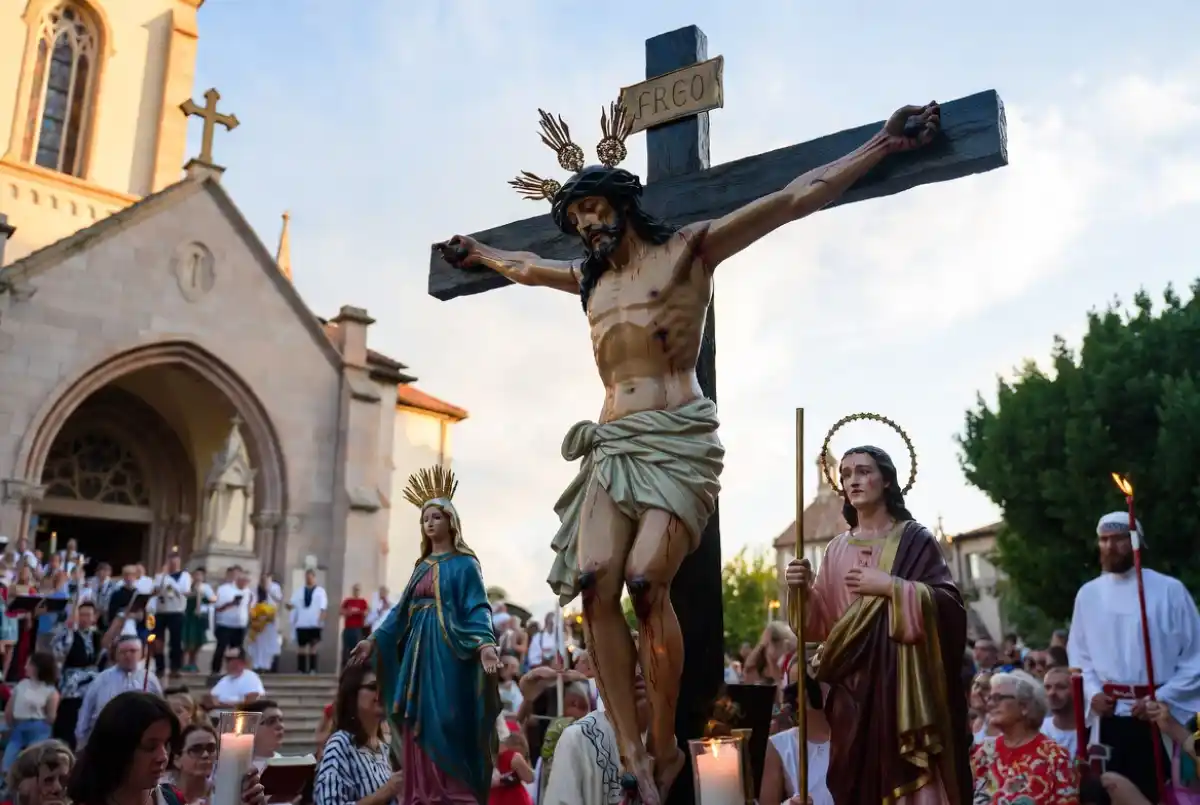
Christian festivals play a major role in shaping the spiritual rhythm of the year. They mark moments of joy, reflection, devotion, sacrifice, and celebration. As we step into 2026, the Christian liturgical calendar is filled with important days that bring people together across cultures and continents. This comprehensive guide will walk you through every major and minor Christian festival in 2026, along with their dates, meaning, and how they’re celebrated.
Introduction to Christian Festivals
Importance of Christian Festivals
Christian festivals honor events from the life of Jesus Christ, biblical teachings, and major spiritual milestones. These celebrations help strengthen faith, preserve traditions, and unite communities.
How Christians Celebrate Around the World
The beauty of Christian festivals lies in their global diversity—church ceremonies, feasts, songs, prayers, processions, fasting, and family gatherings all come together to create a rich spiritual experience.
Major Christian Festivals in 2026
New Year’s Day – January 1, 2026
The Christian New Year begins with prayers for peace, blessings, and gratitude for God’s guidance.
Epiphany – January 6, 2026
Celebrates the visit of the Wise Men to baby Jesus, symbolizing the revelation of Christ to the world.
Ash Wednesday – February 18, 2026
Marks the beginning of Lent. Christians receive ashes on their forehead as a sign of repentance.
Palm Sunday – March 29, 2026
Commemorates Jesus’ triumphant entry into Jerusalem.
Maundy Thursday – April 2, 2026
Honors the Last Supper of Jesus with His disciples.
Good Friday – April 3, 2026
A solemn day remembering the crucifixion of Jesus Christ.
Holy Saturday – April 4, 2026
A day of waiting and prayer before Easter.
Easter Sunday – April 5, 2026
The most significant Christian festival celebrating Jesus’ Resurrection. Symbolizes victory over death and hope for eternal life.
Ascension Day – May 14, 2026
Commemorates Jesus rising into Heaven after His resurrection.
Pentecost – May 24, 2026
Marks the descent of the Holy Spirit upon the Apostles—often called the “Birthday of the Church.”
Trinity Sunday – May 31, 2026
Celebrates the Holy Trinity—Father, Son, and Holy Spirit.
Corpus Christi – June 4, 2026
A feast celebrating the Holy Eucharist and presence of Christ in Communion.
Feast of Assumption – August 15, 2026
Honors the Virgin Mary being taken body and soul into Heaven.
Transfiguration – August 6, 2026
Celebrates the moment Jesus revealed His divine glory to His disciples.
All Saints’ Day – November 1, 2026
A day to honor all saints and martyrs—known and unknown.
Advent Begins – November 29, 2026
Marks the start of the Advent season leading to Christmas.
Christmas Day – December 25, 2026
The birth of Jesus Christ—celebrated with joy, prayers, feasts, gifts, and love.
Details major Christian festival in 2026.
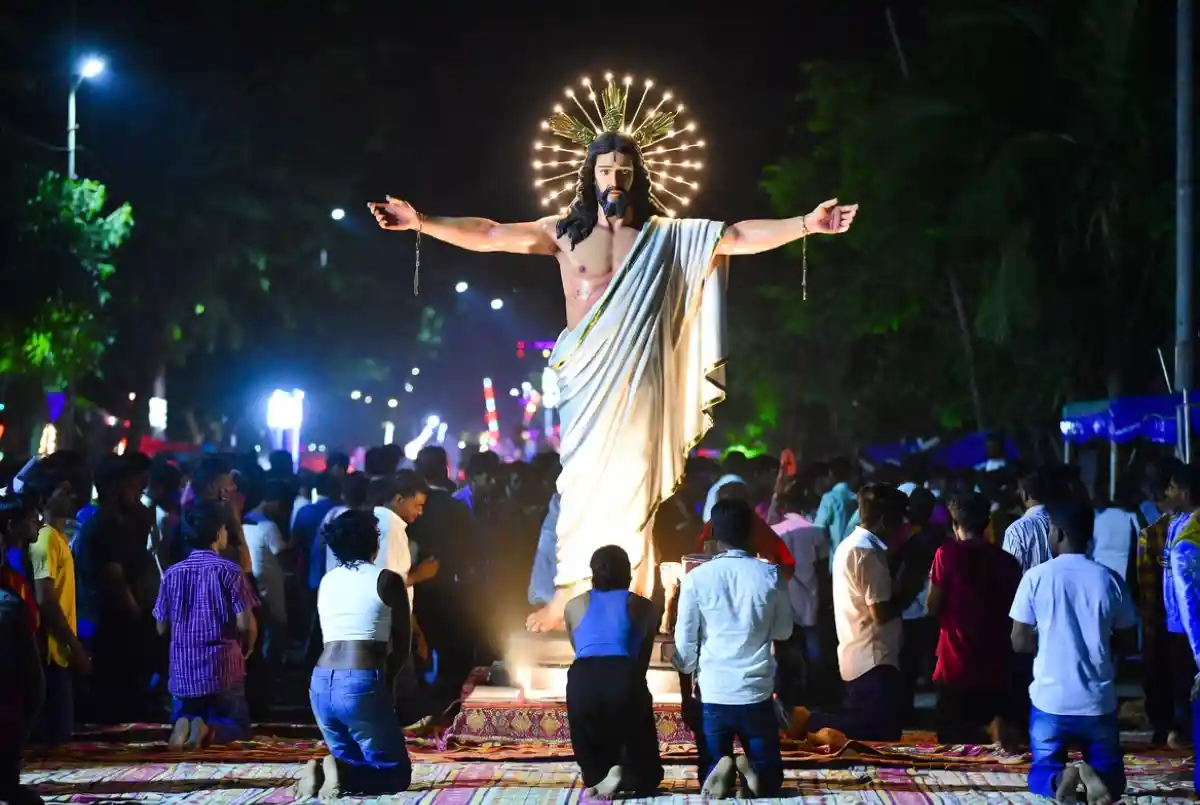
New Year’s Day – January 1, 2026
Christian New Year’s Day marks the beginning of the liturgical year for many believers. It is a time to reflect on God’s blessings from the previous year and pray for guidance, peace, and renewal in the year ahead. Churches hold special services, singing hymns and offering thanksgiving prayers. Many Christians meditate on resolutions that align with spiritual growth, kindness, and service to others. Families gather to celebrate joyfully, expressing gratitude and hope. As the world welcomes a fresh start, Christians use this day to strengthen faith and commit to walking closer with God. It symbolizes new beginnings and divine grace.
Epiphany – January 6, 2026
Epiphany celebrates the revelation of Jesus Christ to the world, symbolized by the visit of the three Wise Men to the infant Jesus. It highlights Jesus as the “Light of the World.” In many cultures, Epiphany marks the end of the Christmas season. Believers attend church services that recall the journey of the Magi guided by the star. The festival also reflects the baptism of Jesus in the Jordan River in some traditions. Customs include blessing homes, sharing special cakes, and giving symbolic gifts. It reminds Christians of God’s love reaching all people, inviting them to seek truth and faith.
Ash Wednesday – February 18, 2026
Ash Wednesday begins the 40-day season of Lent, a time of repentance, fasting, and spiritual reflection. During church services, believers receive ashes on their forehead in the shape of a cross, symbolizing mortality and the need for God’s mercy. The ashes remind Christians that “from dust you came, and to dust you shall return.” Many people give up certain habits or take on acts of charity to grow spiritually. The day sets the tone for a period of deep introspection, prayer, and preparation for Easter. It encourages humility, renewal, and turning back to God with sincerity and devotion.
Palm Sunday – March 29, 2026
Palm Sunday commemorates Jesus’ triumphant entry into Jerusalem, where crowds welcomed Him with palm branches and shouts of “Hosanna!” Churches reenact this moment with processions carrying palm leaves, symbolizing victory, peace, and honor. The day marks the beginning of Holy Week, the most sacred period in Christianity. It reminds believers of Christ’s humble kingship and His journey toward sacrifice. Sermons focus on obedience, love, and the fulfillment of prophecy. Families often place blessed palm crosses in their homes as a sign of protection and faith. Palm Sunday invites Christians to reflect on Jesus’ mission and prepare spiritually for Easter.
Maundy Thursday – April 2, 2026
Maundy Thursday honors the Last Supper, where Jesus shared bread and wine with His disciples and introduced the sacrament of the Holy Communion. It also recalls Jesus washing His disciples’ feet, teaching humility and service. The term “Maundy” comes from the Latin mandatum, meaning “commandment,” referring to Jesus’ command to love one another. Churches hold evening services, reenact foot-washing rituals, and celebrate the Eucharist. The day ends with solemn reflection, remembering Jesus’ prayer in Gethsemane. Maundy Thursday emphasizes love, sacrifice, and fellowship, inviting believers to follow Christ’s example of serving others selflessly.
Good Friday – April 3, 2026
Good Friday is the solemn day marking the crucifixion and death of Jesus Christ. It represents the ultimate sacrifice made for humanity’s salvation. Churches hold somber services, often including scripture readings, silent prayer, and the Stations of the Cross. There is no celebration—only reflection on Christ’s suffering, betrayal, and enduring love. Many Christians fast or observe quiet devotion throughout the day. Despite its sorrowful nature, the day is called “Good” because it signifies the greatest act of redemption. Good Friday invites believers to contemplate the depth of God’s love and the cost of spiritual freedom.
Holy Saturday – April 4, 2026
Holy Saturday is the day of waiting and reflection between Christ’s death on Good Friday and His Resurrection on Easter Sunday. It symbolizes silence, mourning, and hope. Traditionally, Christians remember Jesus lying in the tomb, and many churches hold quiet prayer vigils. Some celebrate the Easter Vigil at night, beginning with candlelight and readings that trace God’s saving plan throughout history. The day encourages believers to trust God even during uncertain or silent moments in life. Holy Saturday teaches patience, faith, and expectation, reminding Christians that darkness is temporary and the promise of resurrection is near.
Easter Sunday – April 5, 2026
Easter Sunday celebrates the Resurrection of Jesus Christ, the cornerstone of Christian faith. It symbolizes victory over sin and death, offering believers eternal hope and salvation. Churches hold joyful services with music, flowers, and scripture proclaiming “He is risen!” Families gather for festive meals, and children participate in egg hunts representing new life. Many Christians wear white to signify purity and rebirth. Easter inspires renewal, joy, and faith in God’s power to transform lives. It is the culmination of the Lenten season and the most important festival in Christianity, celebrating the fulfillment of God’s promise.
Ascension Day – May 14, 2026
Ascension Day honors the moment Jesus ascended into Heaven, 40 days after the Resurrection. It signifies His return to the Father and the completion of His earthly mission. Christians celebrate by attending church services that emphasize hope, glory, and Christ’s continued presence through the Holy Spirit. Many churches hold outdoor processions or skyward prayers symbolizing Jesus rising into Heaven. The festival also reminds believers of the promise that Christ will come again. Ascension Day encourages Christians to live with purpose, share the gospel, and trust in God’s eternal plan.
Pentecost – May 24, 2026
Pentecost commemorates the descent of the Holy Spirit upon the Apostles, empowering them to preach boldly. It is often called the “Birthday of the Church” because it marks the beginning of Christian mission and evangelism. Churches are decorated in red, symbolizing the fire of the Holy Spirit. Services focus on spiritual gifts, unity, and renewal. Many believers pray for fresh inspiration and strength to follow God’s calling. Pentecost celebrates divine empowerment, reminding Christians that they are never alone—God’s Spirit guides, comforts, and strengthens them in their daily lives.
Trinity Sunday – May 31, 2026
Trinity Sunday honors the Christian belief in the Holy Trinity: Father, Son, and Holy Spirit—three persons, one God. It is a day devoted to understanding God’s mystery, unity, and eternal nature. Churches focus on teachings about the Trinity, emphasizing God’s relational and loving essence. The festival highlights the interconnectedness of creation, redemption, and spiritual guidance. Trinity Sunday encourages meditation on the depth of God’s character and inspires believers to grow in faith and understanding. It marks the conclusion of the Easter season and invites Christians to live in harmony with God’s divine presence.
Corpus Christi – June 4, 2026
Corpus Christi celebrates the real presence of Jesus Christ in the Holy Eucharist. The name means “Body of Christ.” The festival honors the gift of Communion, symbolizing Christ’s sacrifice and ongoing spiritual nourishment. Churches hold special Mass, processions with the Blessed Sacrament, and moments of adoration. The celebration highlights gratitude, unity, and reverence. Believers reflect on Jesus’ words: “This is My body, given for you.” Corpus Christi invites Christians to appreciate the deep mystery of the Eucharist and renew their commitment to living as the body of Christ in the world.
Feast of Assumption – August 15, 2026
The Feast of the Assumption celebrates the belief that the Virgin Mary was taken body and soul into Heaven. It honors her purity, faith, and role as the Mother of Jesus. The festival emphasizes God’s promise of eternal life and Mary’s special place in salvation history. Churches hold solemn Mass, rosary prayers, and processions. Many cultures celebrate with feasts, flowers, and Marian hymns. The Assumption inspires believers to live a life of devotion, humility, and faithfulness. It also symbolizes hope for resurrection and the glory that awaits all who follow God.
Transfiguration – August 6, 2026
The Feast of the Transfiguration commemorates the moment Jesus revealed His divine glory to Peter, James, and John on Mount Tabor. His face shone like the sun, and His clothes became dazzling white, affirming His identity as the Son of God. Moses and Elijah appeared, symbolizing the law and prophets. Churches celebrate with special readings, prayers, and reflections on spiritual transformation. The festival reminds Christians that God reveals His glory in unexpected ways and invites them to be transformed in their own lives. It encourages faith, courage, and deeper understanding of Christ’s divinity.
All Saints’ Day – November 1, 2026
All Saints’ Day honors all saints—both known and unknown—who lived holy lives and now dwell in Heaven. It celebrates their faith, sacrifices, and spiritual guidance. Churches hold special Mass or services reflecting on their examples of courage, compassion, and devotion. Many visit cemeteries to pray for departed loved ones. The festival reminds believers that they are part of a larger spiritual community and encourages them to follow the path of virtue. All Saints’ Day inspires hope, gratitude, and a renewed desire to grow in holiness.
Advent Begins – November 29, 2026
Advent marks the beginning of the Christian liturgical year and the four-week preparation for Christmas. It is a season of waiting, hope, and reflection. Christians light Advent candles each week, symbolizing love, joy, peace, and hope. Churches emphasize repentance, prayer, and anticipation of Christ’s birth. Families often create Advent wreaths and calendars to count down the days. The season encourages believers to prepare their hearts for Jesus spiritually. Advent teaches patience, gratitude, and readiness for God’s presence in everyday life.
Christmas Day – December 25, 2026
Christmas celebrates the birth of Jesus Christ, the Savior of the world. It is a day filled with joy, worship, and love. Churches hold midnight Mass, carol singing, and joyful services proclaiming “Christ is born.” Families exchange gifts, symbolizing God’s greatest gift to humanity—Jesus. Decorations, lights, and nativity scenes remind believers of the humble manger where Christ was born. Christmas emphasizes peace, generosity, and compassion. It is not just a holiday but a reminder of God’s love taking human form to bring hope and salvation to all.
Minor Christian Festivals in 2026
Candlemas – February 2, 2026
Also known as the Feast of Presentation of Jesus at the Temple.
Annunciation – March 25, 2026
Celebrates the angel Gabriel’s message to Mary that she would conceive Jesus.
Christ the King – November 22, 2026
A feast honoring Jesus Christ as the King of the Universe.
Regional Christian Festivals and Observances
Eastern Orthodox Festivals
Orthodox Christians follow the Julian calendar, so dates may differ—especially Easter.
Catholic Traditions
Rich ceremonies, Mass, processions, rosaries, and fasting make Catholic celebrations unique.
Protestant Observances
Focus on scripture, worship services, and community gatherings rather than rituals.
How Christian Festival Dates Are Calculated
Movable vs. Fixed Feasts
Fixed feasts have the same date every year (e.g., Christmas).
Movable feasts change annually based on moon cycles (e.g., Easter).
Role of the Lunar Calendar in Easter Calculation
Easter falls on the first Sunday after the first full moon following the spring equinox.
Popular Traditions and Customs
Christmas Traditions Around the World
Decorated trees, midnight Mass, carols, gifts, and family dinners create the holiday spirit.
Easter Celebrations Across Cultures
Egg hunts, candlelight vigils, and sunrise services symbolize new life and resurrection.
Fasting and Feasting
Lent is a period of sacrifice, while Easter and Christmas are times of joyful feasting.
FAQs-Christian festival in 2026?
1. Which is the most important Christian festival in 2026?
Easter Sunday is the most important, marking the Resurrection of Jesus.
2. Why do Easter dates change every year?
Because Easter is based on the lunar cycle—not the fixed solar calendar.
3. Do all Christians celebrate the same festival dates?
Not always; Orthodox, Catholic, and Protestant calendars may differ.
4. What is the longest Christian celebration?
The Advent and Lent seasons, each lasting several weeks.
5. Is Christmas celebrated the same globally?
The meaning is the same, but traditions vary widely by culture.
READ MORE – Solemnity of Mary 2026