








🕉️ Hanuman and Emotional Control: Lessons for Modern Life

In today’s fast-paced world, emotional imbalance has become a silent crisis. Anger, anxiety, frustration, fear, jealousy, and impulsive reactions affect careers, relationships, and mental health. While modern psychology offers coping tools, ancient wisdom provides timeless mastery over emotions.
One of the greatest teachers of emotional control is Lord Hanuman. Known for immense strength, Hanuman’s real power lies in self-restraint, emotional intelligence, and calm awareness. His life offers practical lessons for managing emotions in modern life.
Understanding Emotional Control in Modern Life
Emotional control does not mean suppressing feelings. It means:
- Recognizing emotions
- Regulating reactions
- Acting with clarity instead of impulse
Modern problems—work stress, social media pressure, financial anxiety, relationship conflicts—often trigger emotional reactions that harm decision-making.
Hanuman’s life shows us how to feel deeply yet act wisely.
Why Hanuman Is the Ideal Symbol of Emotional Control

Despite possessing unlimited power, Hanuman never:
- Acted out of anger
- Spoke unnecessarily
- Let ego guide decisions
This balance of power and restraint makes him the perfect model of emotional intelligence.
Lesson 1: Power Must Be Guided by Control
Hanuman’s strength was unmatched, yet he used it only when necessary. Emotional outbursts often come from unchecked inner power—anger, pride, fear.
Modern lesson:
Strength without control destroys relationships and careers. Control transforms strength into wisdom.
Lesson 2: Silence Is Emotional Intelligence
Hanuman spoke only when speech served a purpose. Silence helped him:
- Observe situations clearly
- Prevent emotional escalation
- Preserve mental energy
Modern application:
Not every message needs a reply. Not every insult needs a response. Silence often protects emotional balance.
Lesson 3: Detachment from Ego Prevents Emotional Chaos
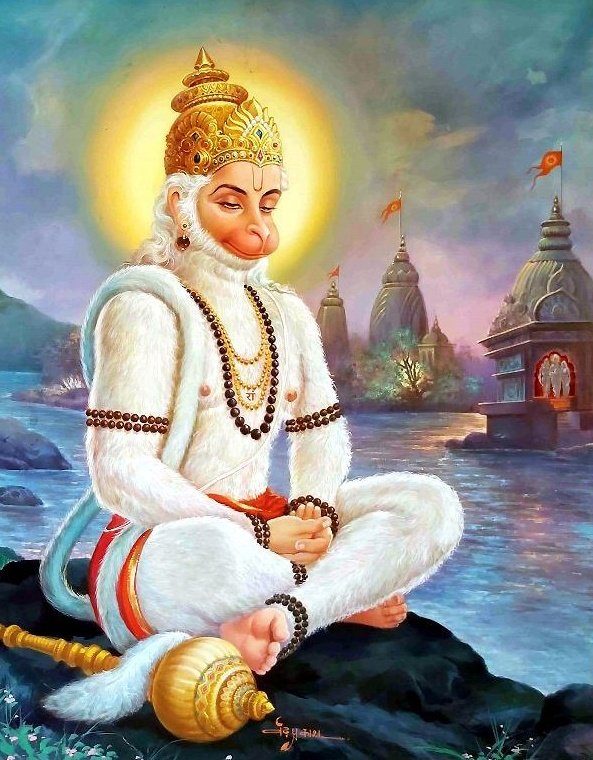
Ego fuels anger, jealousy, and resentment. Hanuman remained humble even after heroic acts.
Lesson:
When ego reduces, emotional reactions reduce automatically. Emotional control begins with humility.
Lesson 4: Fear Acknowledged, Not Obeyed
Hanuman felt fear when entering Lanka, but fear never controlled him. He acknowledged danger, prepared mentally, and acted calmly.
Modern lesson:
Fear is natural. Panic is optional. Emotional control means acting despite fear, not denying it.
Lesson 5: Purpose Stabilizes Emotions
Hanuman’s emotions never distracted him because his purpose was clear—service and duty.
Modern life insight:
When purpose is unclear, emotions fluctuate wildly. Purpose gives the mind direction and emotional stability.
Lesson 6: Anger Used Only for Dharma
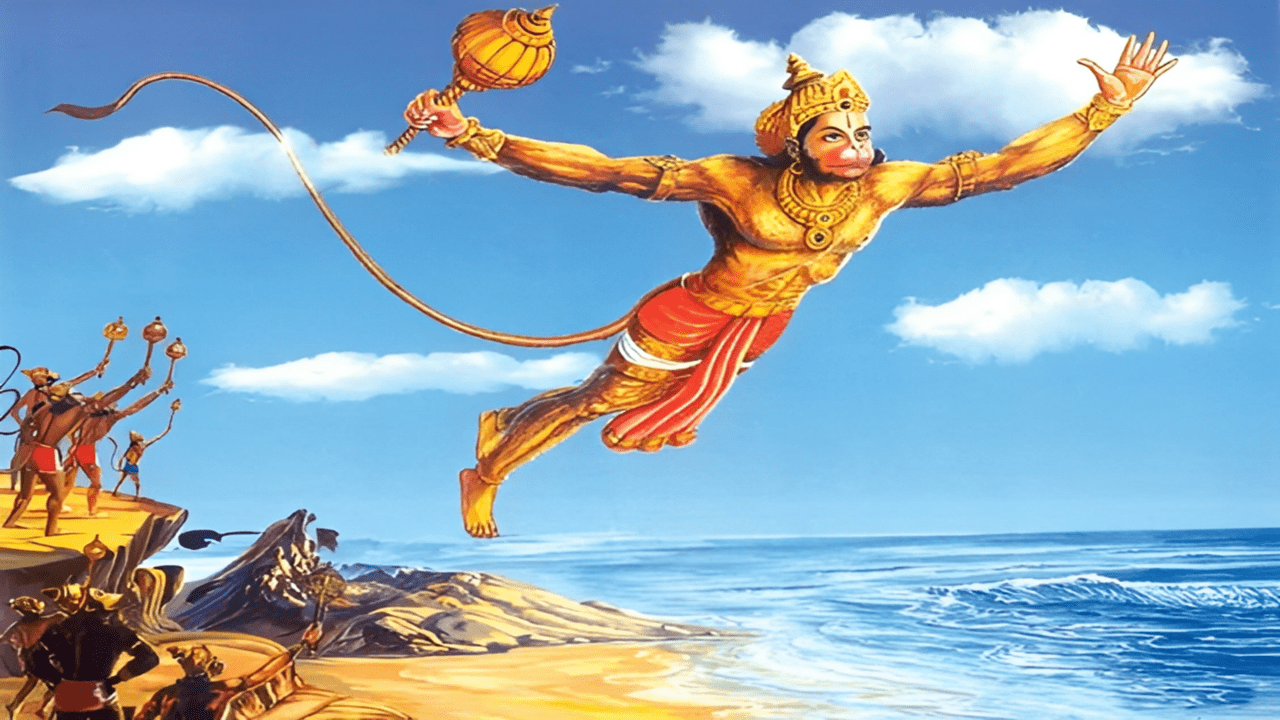
Hanuman expressed anger only when it served justice, not ego. His anger was controlled, purposeful, and temporary.
Modern lesson:
Anger should protect values, not destroy peace. Emotional control means using emotions wisely, not eliminating them.
Lesson 7: Discipline Builds Emotional Strength
Hanuman’s discipline created emotional stability. Routine, restraint, and consistency strengthened his inner balance.
Apply today:
- Maintain daily routines
- Limit impulsive decisions
- Practice consistency
Discipline reduces emotional chaos.
Lesson 8: Faith Reduces Emotional Anxiety

Hanuman’s faith created inner security. Emotional instability often arises from fear of uncertainty.
Faith—spiritual or philosophical—anchors the mind, reducing emotional swings.
Lesson 9: Emotional Control Improves Relationships
Uncontrolled emotions damage trust and communication. Hanuman’s emotional restraint built loyalty and respect.
Modern benefit:
Emotional control improves:
- Relationships
- Leadership
- Communication
- Conflict resolution
Lesson 10: Calm Is the Highest Form of Strength
Hanuman proves that calmness is not weakness. It is the highest expression of strength.
In crisis, calm minds make better decisions.
A Simple Hanuman-Inspired Emotional Control Practice
Daily 7-minute routine:
- 2 minutes of silence
- 3 minutes of slow breathing
- 2 minutes of reflection before reacting
Consistency builds emotional mastery.
FAQs
1. What does Hanuman teach about emotional control?
He teaches restraint, awareness, and purpose-driven action.
2. Why is Hanuman considered emotionally strong?
Because he controls emotions instead of reacting impulsively.
3. How does Hanuman control anger?
He uses anger only for justice, never for ego.
4. Can Hanuman’s teachings help modern stress?
Yes. They promote calmness, discipline, and clarity.
5. What role does humility play in emotional control?
Humility reduces ego-based emotional reactions.
6. How does silence help emotional balance?
Silence prevents unnecessary emotional escalation.
7. Can students learn emotional control from Hanuman?
Yes. Focus and discipline improve emotional stability.
8. How does faith help emotional regulation?
Faith provides inner security and reduces anxiety.
9. Is emotional control suppression?
No. It is conscious regulation, not suppression.
10. Why is calm considered strength in Hanuman’s life?
Because calm allows wisdom, clarity, and right action.
#Hanuman, #LordHanuman, #EmotionalControl, #EmotionalIntelligence, #InnerStrength, #SelfControl, #CalmMind, #MentalStrength, #HanumanWisdom, #LifeLessons, #SpiritualGrowth, #Mindfulness, #DisciplineLife, #FaithAndStrength
Read More- Can Hanuman Worship Reduce Stress



Post Comment