





GEJUFF Bengali New Year 2026: A Step-by-Step Guide | Celebrate Bengali New Year 1432 & 1433 with Joy, Culture, and Renewal
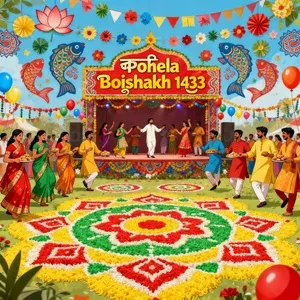
What is Pohela Boishakh (Bengali New Year)?
Pohela Boishakh, the Bengali New Year, marks the first day of the Bengali calendar, also known as Bangabda.
It’s a vibrant festival symbolizing fresh beginnings, unity, and cultural pride, celebrated widely in West Bengal, Bangladesh, Tripura, and across the Bengali diaspora.
The word “Pohela” means “first,” and “Boishakh” is the first month of the Bengali year — together signifying the first day of the new year.
📅 Pohela Boishakh 2025 – Bengali New Year 1432
Date: Monday, April 14, 2025
Bengali Year: 1432
Holiday: Public holiday in West Bengal and Bangladesh
Significance: Marks a new financial and agricultural cycle, celebrated with fairs, cultural events, and rituals.
📅 Pohela Boishakh 2026 – Bengali New Year 1433
Date: Tuesday, April 14, 2026
Bengali Year: 1433
Holiday: Public holiday in Bangladesh and West Bengal
Sunrise Time: Around 5:30 AM (regionally variable)
Tithi: Begins with sunrise on the first day of Boishakh
The Bengali calendar 1433 will begin on this day, filled with festivals, hope, and new opportunities.
🕯️ Origin and History of Bengali New Year
The Bengali calendar (Bangabda) dates back to 1584 CE, introduced by Emperor Akbar to synchronize the Mughal revenue year with the harvest season.
Over time, the calendar evolved into a cultural identity symbol for Bengalis.
By the 19th and 20th centuries, Pohela Boishakh transformed into a cultural and social festival, marked by music, art, food, and communal harmony.
🪷 Step-by-Step Guide to Celebrate Pohela Boishakh 2025–2026
Step 1: Clean and Refresh Your Space
Tradition: Homes are cleaned before the new year to remove negative energy and welcome prosperity.
Modern Twist: Declutter digitally—organize your files, back up memories, and recycle or donate unused items. Add eco-friendly touches using nakshi kantha patterns in décor and light diyas to invite positivity.
Step 2: Create Alpana Art
Tradition: Drawing alpana (rice flour or chalk designs) symbolizes beauty and fortune.
Modern Twist: Use natural colors like turmeric or beetroot juice for sustainable designs. Create mini alpana on trays for small spaces or share your art online with #PohelaBoishakh2025 or #PohelaBoishakh2026 to connect globally.
Step 3: Dress in Festive Finery
Tradition: New clothes mark a fresh start — women wear red-bordered white sarees, men don dhoti-panjabi.
Modern Twist: Blend style with sustainability — wear handloom sarees, statement jewelry, or minimalist kurtas. Share your Shubho Noboborsho look with friends and support local artisans online.
Step 4: Cook or Enjoy a Bengali Feast
Traditional Dishes: Panta bhat, ilish maach, shorshe bata, rosogolla, payesh.
Modern Twist: Try fusion dishes — mustard pasta or vegan ilish substitutes! Host a virtual cooking session with loved ones or order from a Bengali restaurant near you.
Step 5: Offer Prayers or Reflect Quietly
Tradition: Early morning prayers at temples, seeking blessings for health and happiness.
Modern Twist: Set up a home altar with flowers and lamps. Participate in virtual puja sessions streamed from Kolkata or Dhaka, making it inclusive for Bengalis abroad.
Step 6: Exchange “Shubho Noboborsho” Greetings
Tradition: Visiting relatives and exchanging greetings.
Modern Twist: Send digital postcards, personalized Bengali e-cards, or short video messages. Use regional motifs or Tagore quotes to make them more heartfelt.
Step 7: Enjoy Cultural Festivities
Tradition: Community fairs, Mangal Shobhajatra, and Rabindrasangeet performances dominate the day.
Modern Twist: Watch live telecasts or streams from cultural hubs. Create your own playlist mixing Tagore classics and modern Bengali music to keep the festive energy alive.
Step 8: Set Intentions for the New Year
Tradition: Businesses open Hal Khata — new ledgers for the year.
Modern Twist: Create a personal “Hal Khata” journal — set goals for health, learning, or creativity. Add quotes or images representing Bengali art and culture.
🌼 Bengali Calendar Highlights (1432–1433)
| Bengali Month | Approx. Gregorian Equivalent | Major Festivals |
|---|---|---|
| Boishakh | April–May | Pohela Boishakh, Rabindra Jayanti |
| Joishtho | May–June | Jamai Shashti |
| Ashar | June–July | Rath Yatra |
| Srabon | July–August | Guru Purnima |
| Bhadro | August–September | Vishwakarma Puja |
| Ashwin | September–October | Durga Puja |
| Kartik | October–November | Kali Puja, Diwali |
| Agrahayon | November–December | Nabanna |
| Poush | December–January | Poush Mela |
| Magh | January–February | Saraswati Puja |
| Falgun | February–March | Dol Yatra, Holi |
| Chaitra | March–April | Chaitra Sankranti |
💌 Bengali New Year Wishes
🌸 In Bengali:
শুভ নববর্ষ! নতুন বছরে আপনার জীবনে সুখ, শান্তি ও সমৃদ্ধি আসুক।
আগামীর দিন হোক আনন্দে ভরা — শুভ নববর্ষ ১৪৩৩!
🌺 In English:
Wishing you a joyful and prosperous Bengali New Year 1433!
May Pohela Boishakh bring new hopes, peace, and happiness to your life.
🕉️ Interesting Facts
The Mangal Shobhajatra festival in Bangladesh was declared a UNESCO Intangible Cultural Heritage in 2016.
Emperor Akbar introduced the Bengali calendar to ease agricultural taxation.
The day is considered secular — celebrated by all faiths in Bengal.
❓ FAQs: Pohela Boishakh 2025–2026
Q1. When is Pohela Boishakh 2026?
➡ April 14, 2026 (Tuesday) – Bengali Year 1433.
Q2. When is Pohela Boishakh 2025?
➡ April 14, 2025 (Monday) – Bengali Year 1432.
Q3. What does “Pohela Boishakh” mean?
➡ “First day of Boishakh,” the opening day of the Bengali calendar.
Q4. Is Pohela Boishakh a holiday?
➡ Yes, it’s a public holiday in West Bengal, Bangladesh, and Tripura.
Q5. What foods are eaten during Pohela Boishakh?
➡ Traditional dishes like panta bhat, ilish maach, mishti doi, and rosogolla.
Q6. What is the Bengali calendar year formula?
➡ Bengali Year = Gregorian Year − 593 (for April–December dates).



Post Comment