








Christian Counseling & Mental Health: Biblical Healing, Therapy & Faith-Based Hope

Introduction: Why Mental Health and Faith Must Be Discussed Together
Mental health challenges are no longer silent struggles. Anxiety, depression, stress, trauma, and emotional exhaustion affect millions of people worldwide—Christians included. For years, many believers felt torn between faith and therapy, unsure whether seeking professional help meant a lack of trust in God.
Today, that narrative is changing.
Christian counseling bridges the gap between biblical truth and modern psychology, offering a holistic approach clearly rooted in Scripture while respecting clinical wisdom. This pillar guide explores how Christianity addresses mental health, what the Bible teaches about emotional suffering, and how believers can find healing without guilt or fear.
This article is designed as a long-term evergreen resource—one that helps readers spiritually, emotionally, and practically.
Understanding Mental Health from a Christian Perspective
Mental health refers to emotional, psychological, and social well-being. It affects how we think, feel, act, and make decisions. In Christianity, mental health is deeply connected to the condition of the heart, mind, and soul.
Does the Bible Talk About Mental Health?
Yes—explicitly and implicitly.
Many biblical figures experienced emotional pain:
David expressed deep despair and anxiety in the Psalms
Elijah suffered burnout and hopelessness
Job faced grief, trauma, and depression
Paul wrote about inner struggles and emotional pressure
The Bible does not hide human suffering—it acknowledges it and offers hope.
“The Lord is close to the brokenhearted and saves those who are crushed in spirit.” (Psalm 34:18)
Mental distress is not a sin. Ignoring it, suppressing it, or shaming others for it contradicts biblical compassion.
What Is Christian Counseling?

Christian counseling is professional therapy guided by biblical values. It integrates:
Scripture and prayer
Psychological principles
Emotional healing techniques
Faith-based worldview
A Christian counselor may be a licensed therapist who shares Christian beliefs or a trained pastoral counselor.
How Christian Counseling Is Different from Secular Therapy
| Aspect | Christian Counseling | Secular Therapy |
|---|---|---|
| Foundation | Bible & faith | Psychology only |
| View of person | Body, mind & soul | Mind & behavior |
| Healing source | God + tools | Tools only |
| Prayer | Often included | Not included |
Christian counseling does not replace medical treatment, but it complements it.
Common Mental Health Issues Faced by Christians
1. Anxiety & Chronic Stress
Fear of the future, finances, family responsibilities, and career pressure often trigger anxiety—even among believers.
Biblical reminder:
“Do not be anxious about anything…” (Philippians 4:6)
2. Depression & Emotional Exhaustion
Spiritual leaders, parents, caregivers, and working professionals frequently suffer silently.
Depression is not a spiritual failure—it is a human experience.
3. Guilt, Shame & Religious Trauma
Legalism, fear-based teaching, or past church abuse can deeply affect mental well-being.
Christian counseling helps people rediscover grace, not fear.
4. Relationship & Marriage Stress
Conflict, divorce, infidelity, and unresolved anger affect emotional health.
Biblical counseling focuses on forgiveness, communication, and restoration.
What Does Jesus Teach About Mental Peace?

Jesus openly invited the weary, anxious, and burdened.
“Come to me, all you who are weary and burdened, and I will give you rest.” (Matthew 11:28)
Key Teachings of Jesus on Inner Peace
Rest is spiritual, emotional, and physical
Fear does not control faith
Peace is internal, not circumstantial
God understands human pain
Jesus never told people to “just pray harder” without compassion. He healed, listened, restored, and reassured.
Christian Counseling for Anxiety: Biblical & Practical Steps
Biblical Foundations
Trust over fear (Proverbs 3:5–6)
Prayer replaces panic (Philippians 4:6–7)
God’s presence calms the mind
Counseling Techniques Used
Cognitive Behavioral Therapy (CBT) with Scripture
Breathing exercises + prayer
Journaling with Bible verses
Identifying fear-based thought patterns
Daily Christian Prayer for Anxiety
“Lord, calm my mind, guard my heart, and replace fear with Your peace.”
Christian Approach to Depression & Hopelessness

Depression requires patience, empathy, and support—not judgment.
What the Bible Shows
God listens to despair (Psalm 42)
Darkness does not cancel faith
Healing can be gradual
How Christian Counseling Helps
Addresses negative thought cycles
Rebuilds identity through Christ
Encourages healthy routines
Connects spiritual purpose to recovery
Medication, therapy, prayer, and community can coexist.
Is Seeking Therapy a Lack of Faith? (Biblical Truth)
This is one of the most searched and highest CPC Christian questions.
The answer is NO.
Luke was a physician
Proverbs encourages wise counsel
God uses people as instruments of healing
Seeking help is an act of humility, not unbelief.
Christian Counseling for Marriage & Family Healing

Marriage stress affects emotional health deeply.
Common Issues Addressed
Communication breakdown
Financial stress
Parenting pressure
Infidelity & forgiveness
Christian counseling focuses on:
Covenant, not convenience
Grace, not ego
Healing, not blame
Prayer vs Therapy vs Medication: The Balanced Christian View
Christian wisdom supports balance, not extremes.
| Support | Role |
|---|---|
| Prayer | Spiritual strength |
| Therapy | Emotional healing |
| Medication | Chemical balance |
| Community | Social support |
God can work through all of these.
How to Choose the Right Christian Counselor
Checklist
Licensed or trained professional
Biblically grounded worldview
Respects medical treatment
Confidential & ethical
Compassionate, not judgmental
Online Christian counseling platforms are now widely available.
Daily Christian Mental Health Practices
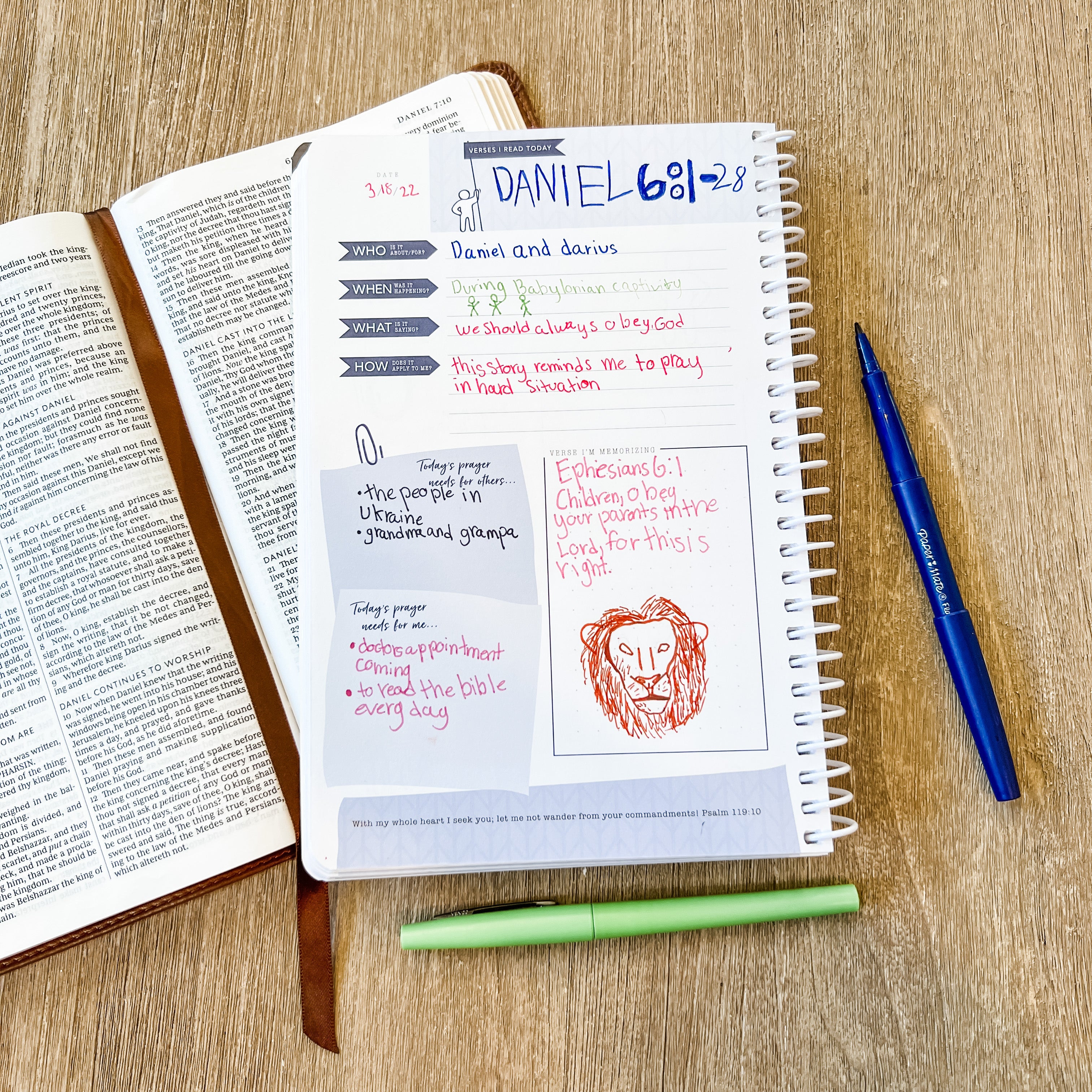
Morning
Scripture reading
Gratitude prayer
Breathing with Psalms
During the Day
Short prayers
Worship music
Thought replacement
Night
Reflection
Forgiveness prayer
Rest in God’s promises
Hope, Healing & Final Encouragement
Mental health struggles do not disqualify your faith. They reveal your humanity.
God never intended believers to suffer alone. Christian counseling is a gift, not a compromise. Healing is not instant—but it is possible.
“He heals the brokenhearted and binds up their wounds.” (Psalm 147:3)
If you or someone you love is struggling, seeking help is an act of courage—and faith.
Frequently Asked Questions (FAQ)
1. What is Christian counseling and how does it work?
Christian counseling combines professional psychological techniques with biblical principles. It helps individuals address emotional, mental, and relational issues while strengthening their faith in God through Scripture, prayer, and Christ-centered guidance.
2. Is Christian counseling biblical?
Yes. The Bible encourages seeking wise counsel (Proverbs 11:14). Christian counseling aligns with biblical teachings by offering guidance rooted in God’s Word, compassion, and spiritual wisdom while addressing mental and emotional health.
3. Can Christians go to therapy without losing faith?
Absolutely. Seeking therapy is not a lack of faith. God often works through trained professionals, just as He uses doctors for physical healing. Therapy and faith can work together for holistic healing.
4. What does the Bible say about mental health?
The Bible acknowledges emotional pain, anxiety, depression, and grief. Many biblical figures experienced mental distress, and Scripture repeatedly shows God’s care for the brokenhearted and weary.
5. Does Christian counseling help with anxiety and depression?
Yes. Christian counseling is effective for anxiety and depression by addressing negative thought patterns, emotional wounds, and spiritual struggles while offering hope through faith, prayer, and evidence-based therapy methods.
6. Is prayer enough for mental health problems?
Prayer is powerful, but mental health healing often requires a combination of prayer, counseling, medical care, and community support. Christianity supports wisdom, balance, and seeking help when needed.
7. Can Christian counseling include medication?
Yes. Christian counseling does not oppose medication when prescribed by qualified medical professionals. Medication can support chemical balance while counseling and faith address emotional and spiritual healing.
8. How is Christian counseling different from secular therapy?
Christian counseling integrates faith, Scripture, and prayer with psychological techniques, while secular therapy focuses only on mental and behavioral aspects without spiritual guidance.
9. Is online Christian counseling effective?
Yes. Online Christian counseling is effective and convenient, especially for those without local access. It offers privacy, flexibility, and access to licensed Christian therapists worldwide.
10. How do I choose the right Christian counselor?
Look for a licensed or trained counselor who respects biblical values, encourages emotional healing, maintains confidentiality, and supports both spiritual and professional mental health care.
ChristianCounseling, #ChristianMentalHealth, #FaithBasedCounseling, #BiblicalCounseling, #ChristianTherapy, #FaithAndMentalHealth, #ChristianHealing, #PrayerAndPeace, #MentalHealthWithFaith, #ChristianWellness, #ChristianAnxietyHelp, #ChristianDepressionSupport, #BibleAndMentalHealth, #FaithBasedTherapy, #ChristianMarriageCounseling, #ChristianFamilySupport, #HealingThroughFaith, #JesusOurHealer, #ChristianPrayer, #SpiritualHealing, #HopeInChrist, #FaithOverFear, #ChristianDevotional, #ChristianLiving, #ChristianHope, #TrustInGod, #BiblicalHealing
Read More- New Year’s Prayer for 2026



Post Comment