





Complete Details European Public Holidays in 2026: Dates, Traditions, and Travel Tips
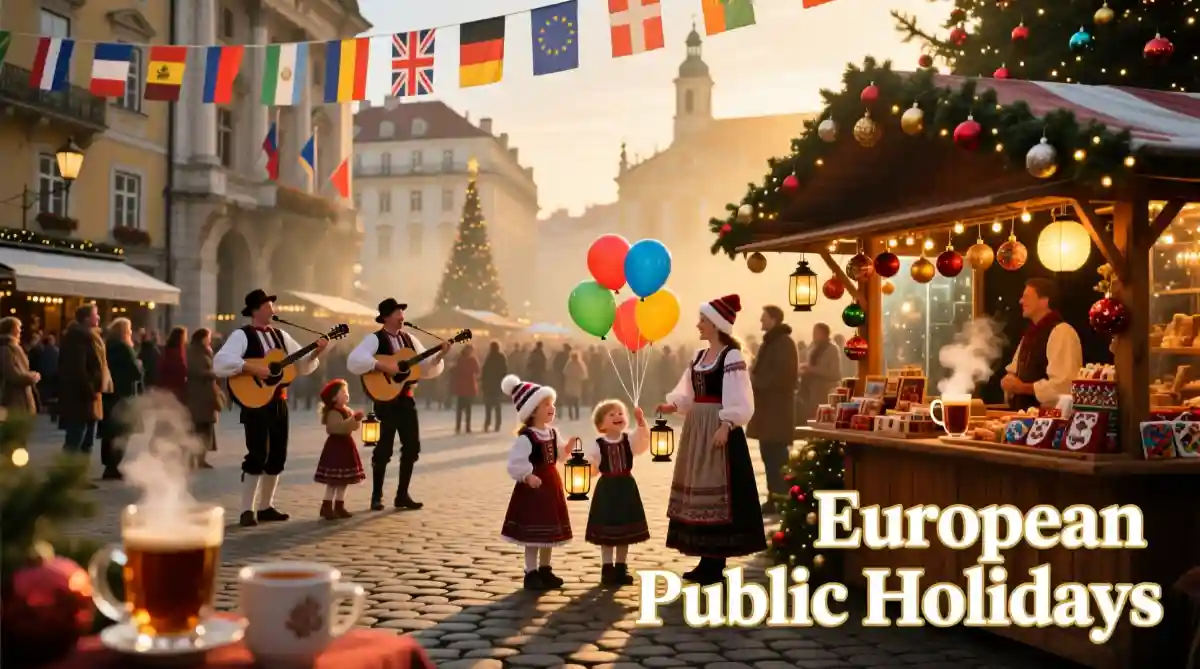
Planning a trip, managing cross-border business operations, or simply curious about cultural traditions in Europe? Understanding the public holiday calendar for 2026 is essential. While the European Union does not mandate a unified set of public holidays, each country maintains its own national and regional observances—many rooted in religious, historical, or cultural significance.
This comprehensive guide details all major public holidays across key European countries in 2026, including exact dates, regional differences, and practical implications for travelers and professionals.
Key Notes Before the Calendar
- Not all holidays are “nationwide”: Countries like Germany, Spain, and Belgium have regional holidays determined by states or linguistic communities.
- Movable dates: Christian holidays such as Easter, Ascension Day, and Pentecost vary yearly.
- 2026 Easter Calculation:
- Good Friday: April 3, 2026
- Easter Sunday: April 5, 2026
- Easter Monday: April 6, 2026
Country-by-Country Public Holidays in 2026
🇫🇷 France
National Holidays (Fixed & Movable):
- New Year’s Day – January 1
- Easter Monday – April 6
- Labour Day – May 1
- Victory in Europe Day – May 8
- Ascension Day – May 14
- Whit Monday (Pentecost Monday) – May 25
- Bastille Day – July 14
- Assumption Day – August 15
- All Saints’ Day – November 1
- Armistice Day – November 11
- Christmas Day – December 25
Note: France observes 11 official public holidays, but only May 1 is a mandatory paid non-working day for all workers.
🇩🇪 Germany
Germany has 9–13 public holidays depending on the federal state (Bundesland). Key nationwide observances include:
- New Year’s Day – January 1
- Good Friday – April 3
- Easter Monday – April 6
- Labour Day – May 1
- Ascension Day – May 14
- Whit Monday – May 25
- German Unity Day – October 3
- Christmas Day – December 25
- St. Stephen’s Day – December 26
Additional regional holidays:
- Epiphany (January 6) – Observed in Bavaria, Baden-Württemberg, and Saxony-Anhalt
- Corpus Christi (June 4) – Celebrated in 7 Catholic-majority states
- All Saints’ Day (November 1) – In 4 western states
- Reformation Day (October 31) – Nationally observed since 2017
🇬🇧 United Kingdom
Note: The UK left the EU in 2020 but remains geographically European. Public holidays (bank holidays) vary by nation:
England & Wales (8 days):
- New Year’s Day – January 1
- Good Friday – April 3
- Easter Monday – April 6
- Early May Bank Holiday – May 4
- Spring Bank Holiday – May 25
- Summer Bank Holiday – August 31
- Christmas Day – December 25
- Boxing Day – December 26
Scotland has additional holidays (e.g., St. Andrew’s Day on November 30).
Northern Ireland includes St. Patrick’s Day (March 17) and Battle of the Boyne (July 12).
Note: If a holiday falls on a weekend, a substitute weekday is usually observed.
🇪🇸 Spain
Spain combines national, regional, and local holidays. Key national dates:
- New Year’s Day – January 1
- Epiphany – January 6
- Good Friday – April 3
- Labour Day – May 1
- Assumption – August 15
- National Day of Spain – October 12
- All Saints’ Day – November 1
- Constitution Day – December 6
- Immaculate Conception – December 8
- Christmas Day – December 25
Each autonomous community adds 2–4 regional holidays (e.g., Catalonia’s National Day on September 11).
🇮🇹 Italy
- New Year’s Day – January 1
- Epiphany – January 6
- Easter Monday – April 6
- Liberation Day – April 25
- Labour Day – May 1
- Republic Day – June 2
- Assumption – August 15
- All Saints’ Day – November 1
- Immaculate Conception – December 8
- Christmas Day – December 25
- St. Stephen’s Day – December 26
Note: Most businesses close on these days, especially in smaller towns.
🇳🇱 Netherlands
- New Year’s Day – January 1
- Good Friday – April 3
- Easter Monday – April 6
- King’s Day – April 27
- Liberation Day – May 5 (every 5 years it’s a full public holiday; 2026 marks 80 years since WWII liberation → official public holiday)
- Ascension Day – May 14
- Whit Monday – May 25
- Christmas Day – December 25
- Boxing Day – December 26
Note: Liberation Day (Bevrijdingsdag) is observed nationwide in 2026 due to the significant anniversary.
🇸🇪 Sweden
- New Year’s Day – January 1
- Epiphany – January 6
- Good Friday – April 3
- Easter Monday – April 6
- Labour Day – May 1
- Ascension Day – May 14
- Whit Monday – May 25
- National Day – June 6
- Midsummer Day – June 20 (Saturday nearest June 19–25)
- All Saints’ Day – November 1 (Saturday nearest October 31–November 6)
- Christmas Eve – December 24 (de facto holiday)
- Christmas Day – December 25
- Boxing Day – December 26
Note: Swedes often treat Christmas Eve as the main holiday despite it not being an official public holiday.
Regional Variations & Cultural Insights
- Catholic vs. Protestant Traditions: Southern and Western Europe (e.g., Italy, Spain) observe more religious feasts than Nordic countries.
- Orthodox Countries: Greece, Romania, and Bulgaria follow the Julian calendar for Easter (in 2026, Orthodox Easter falls on April 12; public holidays differ accordingly).
- Local Festivals: Many towns celebrate patron saints or historical events (e.g., Valencia’s Fallas in March)—not public holidays but major cultural events.
Practical Implications for Travelers & Businesses
- Transport & Services: Expect reduced public transport, closed museums, and limited restaurant hours on major holidays—especially Christmas, Easter, and national days.
- Banking & Government Offices: Fully closed on all public holidays.
- Retail: In many countries (e.g., Germany, Austria), shops are legally required to close on Sundays and public holidays.
- Business Planning: Multinational teams should use shared calendars to avoid scheduling conflicts.
Frequently Asked Questions (FAQ)
Q1: Are all European countries closed on the same public holidays?
No. Each country sets its own holidays. Even within countries like Germany or Spain, regional differences apply.
Q2: Is Easter Monday a public holiday everywhere in Europe?
Most, but not all. For example, it’s observed in France, Germany, and Italy—but not in all parts of the UK (Scotland does not recognize it).
Q3: What’s the best time to visit Europe to avoid holiday closures?
Late May or early June (after Easter, before summer holidays) offers open services and pleasant weather.
Q4: How do public holidays affect Schengen visa applications?
Embassies and consulates are closed on both local and home-country holidays, potentially delaying appointments.
Q5: Are public holidays paid days off for employees?
Generally yes in the EU, but specifics vary by national labor law. In France, only May 1 is legally mandated as a paid non-working day.
Q6: Does the EU have any “European” public holidays?
Europe Day (May 9) commemorates the Schuman Declaration but is not a public holiday—only celebrated institutionally.
Read More – Switzerland Festivals and Events 2026
#EuropeanHolidays2026 #PublicHolidaysEurope #TravelEurope2026 #EUHolidays #EuropeVacationPlanning #BankHolidays2026 #CulturalFestivalsEurope



Post Comment