








Kashi Vishwanath Temple Varanasi – काशी विश्वनाथ मंदिर, History, Timings, Aarti, Corridor, How to Visit & Complete Travel Guide (2025-26)

Kashi Vishwanath Temple, located on the western bank of the sacred River Ganga in Varanasi, Uttar Pradesh, is one of the holiest and most ancient temples dedicated to Lord Shiva. It is one of the 12 Jyotirlingas, making it a site of immense spiritual importance for millions of devotees from India and abroad.
Known as the “Golden Temple” due to its gold-covered domes and as the “City of Lord Shiva”, Varanasi represents liberation, spiritual awakening, and the eternal power of Shiva.
This complete guide covers everything you need to know about the temple—its history, architecture, significance, timings, rituals, Kashi Vishwanath Corridor, and how to plan your visit smoothly.
Introduction: The Spiritual Heart of India
Varanasi, also known as Kashi or Banaras, is considered the oldest living city in the world. Hindus believe that taking birth or dying in Kashi grants liberation (moksha). At the heart of this ancient city lies the magnificent Kashi Vishwanath Temple, the supreme abode of Lord Shiva.
Every day, thousands of pilgrims visit this temple to perform darshan, Rudrabhishek, and other sacred rituals.
The energy, devotion, chants of “Har Har Mahadev,” and the divine presence make it one of the most powerful spiritual experiences on earth.
History of Kashi Vishwanath Temple
The history of the Kashi Vishwanath Temple spans thousands of years. It has been destroyed, rebuilt, and restored multiple times throughout India’s history.
Ancient References
- Mentioned in the Skanda Purana, “Kashi Khanda,” where Shiva declares Kashi as His eternal home.
- Known as the Adi Vishweshwar Temple in ancient scriptures.
Medieval Period
- The original temple was destroyed by Qutb-ud-din Aibak in 1194 CE.
- Rebuilt by Hindu kings several times afterward.
- Destroyed again in the 16th century by Mughal emperor Aurangzeb, who built the Gyanvapi Mosque over the sacred land.
Modern Reconstruction
- In 1780, Rani Ahilyabai Holkar (Queen of Indore) rebuilt the present temple structure.
- Later, Maharaja Ranjit Singh of Punjab donated gold to cover the temple’s domes, giving it the iconic title “Golden Temple of Varanasi.”
Today
The temple is managed by the Shri Kashi Vishwanath Temple Trust, and is one of India’s most visited pilgrimage sites.
Architecture of Kashi Vishwanath Temple
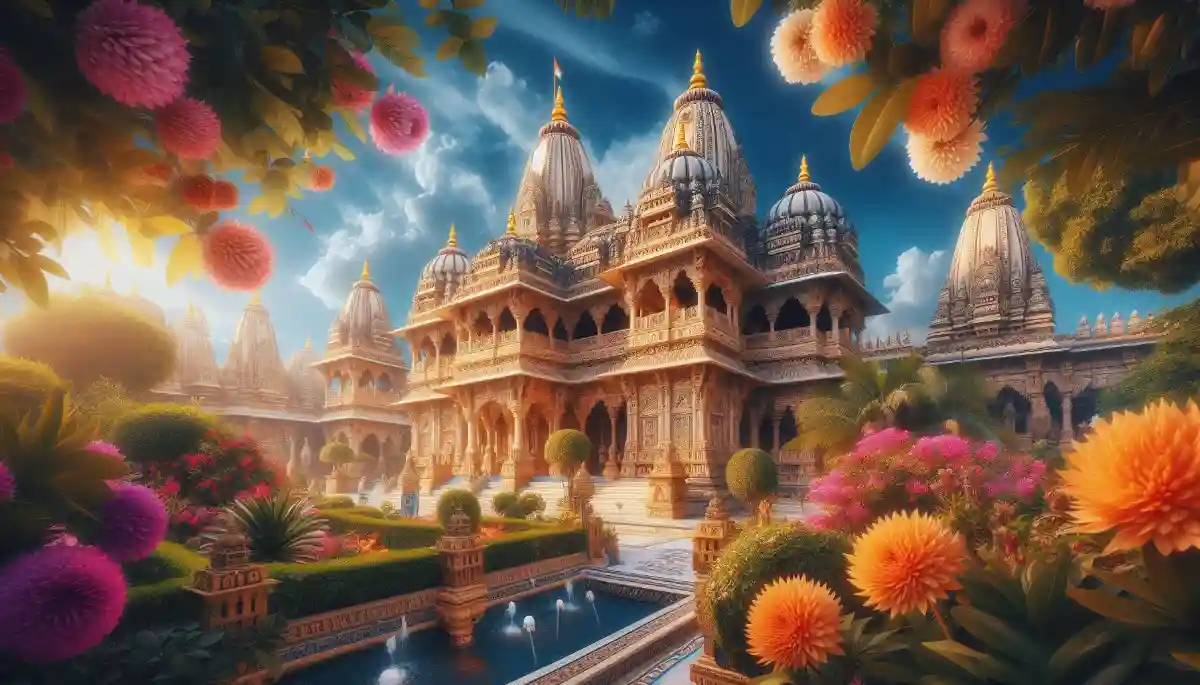
The temple’s architecture is simple yet majestic, built in the classic Nagara style using stone, marble, and gold.
Key Architectural Features:
Golden Domes: Two main domes plated with nearly 1 ton of pure gold.
Garbha Griha: The sanctum houses the Jyotirlinga, a black stone Shivalinga set in a silver altar.
Nandi Statue: A beautifully carved statue of Nandi (Shiva’s bull) sits facing the main sanctum.
Multiple Shrines: Shrines dedicated to Kaal Bhairav, Annapurna, and other deities.
Kashi Vishwanath Corridor: A massive development that connects the temple directly to the Ganga Ghat.
Spiritual Importance of Kashi Vishwanath Temple
1. One of the 12 Jyotirlingas
According to Hindu belief, Lord Shiva manifested as a pillar of divine light (Jyotirlinga). Kashi Vishwanath is one of the holiest among these.
2. Gateway to Moksha
Scriptures say:
“One who dies in Kashi achieves liberation by the grace of Lord Vishwanath.”
3. Significance of the Ganga River
Kashi stands on the banks of the sacred Ganga, where Ganga flows in the opposite direction (North-flowing: Uttarvahini), adding to its spiritual value.
4. City of Lord Shiva
It is believed Shiva himself resides here, protecting his devotees and granting blessings instantly.
Kashi Vishwanath Temple Timings (2025)
Daily Temple Timings
| Activity | Time |
|---|---|
| Temple Opening | 3:00 AM |
| Mangala Aarti | 3:00 AM – 4:00 AM |
| General Darshan | 4:00 AM – 11:00 AM |
| Mid-Day Bhog Aarti | 11:15 AM – 12:20 PM |
| Evening Darshan | 12:30 PM – 7:00 PM |
| Sandhya Aarti | 7:00 PM – 8:15 PM |
| Shringaar Aarti | 9:00 PM – 10:15 PM |
| Shayan Aarti | 10:30 PM – 11:00 PM |
Note: Darshan timing may vary on festivals and special occasions.
How to Reach Kashi Vishwanath Temple
By Air:
Nearest Airport – Lal Bahadur Shastri International Airport (VNS)
Distance: ~25 km
By Train:
Main Stations:
- Varanasi Junction (BSB)
- Banaras Railway Station (BSBS)
By Road:
Well connected to Lucknow, Prayagraj, Patna, and Delhi via NH highways.
From Varanasi Junction:
Auto/rickshaw takes 15–20 minutes to reach the temple.
Entry Fee & Aarti Tickets
General Entry:
✔ Free for all devotees.
Special Tickets:
| Ritual | Price |
|---|---|
| Mangala Aarti | ₹500 – ₹1500 |
| Rudrabhishek (Basic) | ₹300 – ₹600 |
| Rudrabhishek (Special) | ₹1500 – ₹2500 |
| Shringaar Aarti | ₹300 |
| VIP Darshan (Seasonal) | ₹300 – ₹500 |
Kashi Vishwanath Corridor (Kashi Vishwanath Dham)
Inaugurated in December 2021, the Kashi Vishwanath Corridor is one of India’s largest temple redevelopment projects.
Benefits of the Corridor:
- Direct walkway from the temple to Ganga River (Lalita Ghat)
- Large mandapa halls
- Spacious pathways
- Improved crowd control
- Clean and modern infrastructure
- Enhanced spiritual experience
This project transformed the entire pilgrimage experience and made the temple accessible and peaceful for millions.
Important Shrines & Places Nearby
Nearby temples:
- Annapurna Devi Mandir
- Kaal Bhairav Temple (Kashi’s guardian deity)
- Maa Vishalakshi Temple
- Mrityunjay Mahadev Temple
Nearby spiritual places:
- Dashashwamedh Ghat
- Manikarnika Ghat (most sacred cremation ground)
- Assi Ghat
- Sarnath (where Buddha gave his first sermon – 10 km away)
Best Time to Visit Kashi Vishwanath Temple
Ideal Seasons:
- October to March – Pleasant weather
- July–August – Sawan Festival (huge spiritual importance)
Avoid:
Extreme summers (April–June) due to high heat.
Rituals & Puja at Kashi Vishwanath
Popular rituals include:
- Rudrabhishek
- Jalabhishek
- Laghu Rudra Puja
- Maha Rudra Puja
- Maha Mrityunjaya Jaap
- Shravan Month Rituals
Devotees also bring Ganga Jal from the ghats to offer to the Shivalinga.
How to Book Online Darshan / Puja / Aarti
You can book online through the official website:
👉 https://shrikashivishwanath.org
(Do not include URLs in article if you want pure SEO text)
Booking Options:
- Rudrabhishek
- Aarti tickets
- Donation
- VIP passes (seasonal)
Required:
- ID proof
- Valid mobile number
- Booking receipt screenshot/print
Travel Tips for Pilgrims (Very Useful)
✔ Store mobile phones at lockers (not allowed inside)
✔ Wear comfortable and modest clothing
✔ Carry an ID at all times
✔ Reach early for Mangala Aarti
✔ Follow crowd instructions
✔ Avoid carrying large bags
✔ Keep elderly visitors in a wheelchair service if needed
Frequently Asked Questions (FAQ)
1. Kashi Vishwanath Temple
Kashi Vishwanath Temple represents the living spiritual energy of Varanasi. While most people know it as a Jyotirlinga, fewer understand its role as a center for daily rituals that continue unchanged for centuries. Devotees often perform Jalabhishek using water from the Ganga, believing it purifies karma instantly. The temple is surrounded by small lanes where priests help visitors perform personalized pujas. Pilgrims also follow the tradition of visiting Annapurna Devi Temple before entering Vishwanath. The peaceful chants, ringing bells, and fragrance of incense create an intense spiritual environment that connects devotees deeply with Lord Shiva.
2. Kashi Vishwanath Temple Timings
Beyond the usual published hours, pilgrims should know that temple timings can vary according to festivals, special events, Shravan month, and Shivratri crowds. On auspicious days, certain Aartis may extend longer, causing delays in general darshan. Early mornings between 3:00–5:00 AM are considered the most spiritually powerful, as the energy around the sanctum is calm and pure. Devotees wanting shorter queues should avoid weekends and choose weekdays before noon. During winters, footfall increases slightly later in the morning. Always check the official board outside the temple for updated timings on specific festival days.
3. Kashi Vishwanath Temple Photos
Photographs of Kashi Vishwanath Temple capture the spiritual essence of Varanasi—golden domes glowing under sunlight, devotees flowing through corridors, and priests performing rituals. Since mobile phones are not allowed inside, official photographers outside the temple offer printed or digital copies of darshan photos. Many pilgrims take pictures near the corridor overlooking the Ganga, which gives a perfect background of Varanasi’s heritage. The best time for photography is early morning or late evening near Dashashwamedh Ghat. While interior photos are prohibited, the temple’s outer architecture, Nandi statue area, and corridor views provide excellent photo opportunities.
4. Kashi Vishwanath Temple Varanasi
The temple’s location in the heart of Varanasi’s old city makes the experience unforgettable. Narrow lanes, traditional shops, and continuous chants create a sacred atmosphere. Varanasi’s spiritual culture revolves around Vishwanath, with daily rituals at hundreds of nearby shrines. Pilgrims often combine their visit with Ganga Aarti, Kaal Bhairav Temple, and Annapurna Temple, making it a complete spiritual circuit. The area offers traditional Banarasi silk shops, prasad stores, and local eateries serving kachori-sabzi and malaiyo in winter. The temple is well connected to ghats, making it easy for visitors to take a holy dip before darshan.
5. Kashi Vishwanath Temple Varanasi Timings
For those planning to visit Varanasi specifically for darshan, timing is crucial. Early mornings see fewer visitors, making it ideal for elderly devotees. Afternoon sessions are peaceful, especially on weekdays. During Shravan, darshan continues late into the night due to heavy pilgrim flow. Seasonal variations also affect timings; for example, during Kartik month, the temple may extend darshan periods. Devotees participating in Rudrabhishek should book slots in advance to avoid time conflicts. Temple volunteers help maintain clear movement, but arriving early improves your chances of completing the entire spiritual circuit comfortably.
6. Inside Kashi Vishwanath Temple
Inside the temple, the atmosphere is filled with mantra chants, bells, and the scent of sandalwood. The sanctum houses the revered Jyotirlinga, placed slightly below ground level, symbolizing humility before Shiva. Devotees often touch the silver-covered altar before offering flowers or Ganga water. Several smaller shrines surround the sanctum, including shrines for Ganesh, Dandapani, Avimukteshwar, and Kaal Bhairav guardians. Priests guide visitors through quick rituals and blessings. The environment is peaceful yet powerful, and even the briefest moments inside the Garbha Griha leave devotees emotionally moved. Photography and mobile devices remain strictly prohibited.
7. Kashi Vishwanath Temple VIP Ticket Price
VIP tickets offer faster entry, priority darshan, and sometimes seating for special Aartis. While prices vary seasonally, they usually provide significant time savings during crowded periods like Shravan, Mahashivratri, and Kartik. VIP passes also include access to designated queues, making it easier for senior citizens and families with children. During festival days, advance booking is essential as slots fill quickly. Visitors should remember that VIP tickets only speed up entry; rituals like Rudrabhishek require separate booking. Checking daily updates at the ticket counter or official portal helps avoid last-minute confusion.
8. Shri Kashi Vishwanath Temple
The temple is officially known as Shri Kashi Vishwanath Dham, a complete spiritual complex housing multiple sacred areas. The word “Shri” emphasizes divine prosperity and blessings associated with the temple. Pilgrims often perform Sankalp Puja here before starting other rituals in Varanasi. The temple trust provides organized facilities like wheelchair services, donation counters, cloakrooms, and prasad shops. Devotees also follow the custom of visiting Shri Kashi Vishwanath after performing Ganga Snan at Lalita Ghat. The organized layout of the Dham ensures a peaceful and structured pilgrimage experience for all visitors.
9. Hotel Near Kashi Vishwanath Temple
Finding a hotel close to Kashi Vishwanath Temple is convenient for early morning darshan. Many hotels are located within 300–800 meters of the temple, offering easy access via the new corridor. Pilgrims prefer staying near Godowlia, Dashashwamedh Ghat, and Maidagin areas because they are walkable and well connected. Budget hotels, guesthouses, and mid-range options are available, while luxury stays are slightly farther but offer better amenities. Choosing a hotel near the temple saves travel time, especially during festivals when crowds are heavy. Many hotels also arrange guided darshan and boat rides on request.
10. Hotels Near Kashi Vishwanath Temple
Hotels near the temple cater specifically to pilgrims, providing basic facilities like hot water, early check-in, and temple-direction assistance. Popular areas include Godowlia Road, Chowk, and Dashashwamedh Ghat. Some hotels offer rooftop views of Varanasi city and the Ganga. Staying close reduces fatigue and allows multiple temple visits in a single day. During peak seasons, hotel prices rise quickly, so advance booking is advised. Many hotels also serve vegetarian meals, aligning with pilgrim preferences. Proximity to the Ganga also allows guests to witness morning and evening Aartis without long travel times.
11. Kashi Vishwanath Temple Images
Images of the temple often highlight its stunning golden domes, majestic entrance, and the beautifully expanded corridor. While inside photography is restricted, the temple’s surroundings offer several scenic angles. The best time to take pictures is at sunrise when the soft golden light enhances the temple’s architecture. Tourists often capture images from the Ganga side where the corridor meets Lalita Ghat. Professional photographers are available near the temple, offering high-quality printed portraits with the temple in the background. Seasonal decorations during festivals like Dev Deepawali also create exceptional photographic moments.
12. Kashi Vishwanath Temple Ticket Price
The temple does not charge for general entry, but special pujas, Aarti, and priority passes have varying fees. These may increase during peak seasons due to high demand. Puja ticket prices depend on the type of ritual—simple Abhishek, Panchamrut offerings, or elaborate Rudra Puja. Visitors should buy tickets only from official counters to avoid unauthorized agents. Online booking is available for many rituals, making it convenient for travellers. Prices may differ for festivals, so checking updated rates in advance helps with budgeting and planning.
13. Kashi Vishwanath Temple Story
The story of Kashi Vishwanath begins with Shiva choosing Kashi as his eternal home. According to legend, the temple’s Jyotirlinga emerged as a pillar of light, proving Shiva’s supremacy. The divine city was said to remain untouched even during cosmic destruction. Another tale mentions that Goddess Annapurna fed Shiva in Kashi, symbolizing the temple’s connection with prosperity. Over centuries, kings, saints, and devotees protected the temple, keeping its spiritual power alive despite destruction and rebuilding. The temple’s story reflects the triumph of devotion and the everlasting energy of Lord Shiva.
14. Kashi Vishwanath Temple Tickets
Tickets at the temple are required for special pujas, Aarti entry, and Rudrabhishek. Counters open early, allowing visitors to book for the same day or upcoming days. Online tickets help avoid waiting in long queues. Special arrangements are made for senior citizens during peak seasons. Each ticket includes the specific time slot and location, so reaching on time is essential. Pilgrims booking Rudrabhishek must often carry their booking slip and ID for verification. The temple trust has streamlined the process to make it simple and transparent.
15. Varanasi Airport to Kashi Vishwanath Temple Distance
The distance from Lal Bahadur Shastri International Airport (VNS) to Kashi Vishwanath Temple is roughly 25 kilometers, taking 40–55 minutes depending on traffic. Taxis, app-based cabs, and prepaid counters are available at the airport. The route takes you through scenic views of Varanasi, including newly developed highways. During festival days, traffic near Godowlia may be heavy, so visitors should plan extra time. Many hotels offer airport pick-up services, making the journey smoother. The corridor allows pilgrims to reach the temple comfortably after being dropped at the nearest access point.
16. Kashi Vishwanath Temple Jyotirlinga
The Jyotirlinga at Kashi Vishwanath is believed to be self-manifested, radiating divine cosmic energy. Unlike many temples, the Linga is placed slightly below ground level, symbolizing humility and inner surrender. Devotees offer water, milk, honey, and bilva leaves to the Linga as a sign of devotion. Scriptures mention that worshipping this Jyotirlinga cleanses past karmas and grants liberation. The unique energy inside the sanctum creates an emotional and spiritual connection that many devotees describe as life-transforming. The vibrations of mantras recited by priests enhance the profound experience.
17. Kashi Vishwanath Temple Distance
Distances to the temple vary depending on the starting point within Varanasi. From Godowlia, it’s around 700 meters; from Dashashwamedh Ghat, about 500 meters. Visitors coming from Assi Ghat travel roughly 4 km to reach the temple. The corridor has shortened walking distances between the Ganga and the sanctum, allowing smooth movement even during peak seasons. Electric rickshaws and cycle rickshaws are commonly used to approach the entry points. Understanding the distance beforehand helps travellers choose the best route and timing for darshan.
18. Shri Kashi Vishwanath Temple Photos
Photos labeled “Shri Kashi Vishwanath Temple” often highlight official temple visuals, prasad offerings, and the temple’s majestic Golden Dome. Such images are widely used for devotional posters, calendars, and online posts. Many pilgrims purchase framed photos outside the temple as blessed souvenirs. During festivals like Dev Deepawali, the temple glows with thousands of lamps, creating breathtaking scenes. Printed photos also help those who cannot visit personally to feel spiritually connected. These images commonly show the temple’s serenity, cultural richness, and divine aura.
19. Original Kashi Vishwanath Temple
The term “Original Kashi Vishwanath Temple” often refers to the ancient temple believed to have existed before repeated invasions. Archaeological and historical references indicate that the temple stood near the present Gyanvapi area. Devotees believe the original Linga’s energy continues to flow within the current structure. The sacred Gyanvapi Well is also associated with the original temple, where priests are said to have hidden the Shivalinga during invasions. While physical structures changed over time, the spiritual continuity is considered unbroken, keeping the divine presence intact through centuries.
20. Varanasi to Kashi Vishwanath Temple Distance
From various parts of Varanasi, the distance to the temple varies. From Cantt (Varanasi Junction), it is about 4 km. From Lanka or BHU, it is around 6–7 km. Rickshaws, autos, and e-vehicles provide easy transport to the Dham entrance. Visitors often take a boat ride to Dashashwamedh Ghat and walk through the corridor for a scenic approach. The connectivity improvements have reduced travel time significantly. Understanding distance helps plan darshan schedules, especially for early morning Aartis or peak-season days.
Also Read – Mata Vaishno Devi Mandir