








Lord Hanuman and Mental Health: Ancient Wisdom for Stress, Anxiety, Fear, and Inner Strength

Introduction: Why Mental Health Needs Ancient Wisdom Today
Modern society faces a silent epidemic—stress, anxiety, fear, burnout, and emotional instability. Despite advanced medicine, therapy, and technology, inner peace remains elusive for millions. This paradox forces us to look beyond modern solutions and revisit timeless psychological wisdom preserved in ancient traditions.
One such source of profound insight is Lord Hanuman—a symbol not only of strength, but of absolute mental mastery, emotional intelligence, and fearless clarity.
We often worship Hanuman for protection and power, yet his greatest strength lies in his mind. This pillar article explores how Hanuman’s life, values, and practices offer practical solutions for mental health, aligned with both spiritual science and modern psychology.
1. Understanding Mental Health Through the Lens of Hanuman
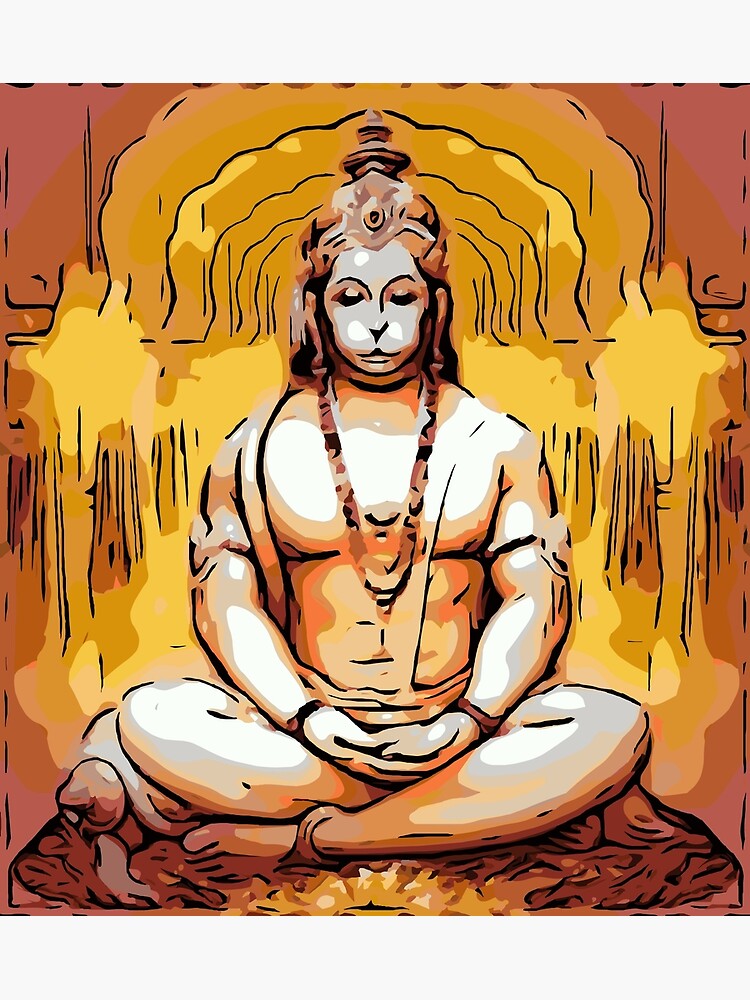
Mental health is not merely the absence of illness—it is the presence of clarity, balance, resilience, and emotional regulation. Hanuman embodies all these traits naturally.
Why Hanuman Is a Mental Health Archetype
He experiences fear, yet is not controlled by it
He faces overwhelming challenges without anxiety
He acts with purpose, not impulse
He remains calm even in chaos
Unlike many warriors driven by rage or ego, Hanuman demonstrates controlled strength—the cornerstone of mental wellness.
2. Hanuman and Emotional Regulation: Power Without Impulsiveness
One of the biggest causes of modern mental distress is emotional impulsiveness—reacting without awareness.
Hanuman’s character shows:
Thought before action
Awareness before reaction
Silence before speech
Even when provoked, Hanuman never lost emotional control. This makes him a powerful model for managing:
Anger
Panic
Overthinking
Emotional exhaustion
Modern psychology calls this emotional regulation—a skill Hanuman mastered thousands of years ago.
3. Fear and Anxiety: Hanuman’s Greatest Inner Battle

Fear is natural. Anxiety arises when fear controls the mind.
When Hanuman leaped across the ocean to Lanka, he faced:
Unknown dangers
Powerful enemies
Risk of failure
Yet he did not freeze or panic.
What Hanuman Teaches About Anxiety
Fear is information, not an obstacle
Preparation reduces panic
Faith stabilizes the nervous system
Purpose overrides doubt
This mirrors modern cognitive behavioral therapy (CBT) principles, where fear is acknowledged but not obeyed.
4. Hanuman Chalisa and the Nervous System (Scientific Insight)
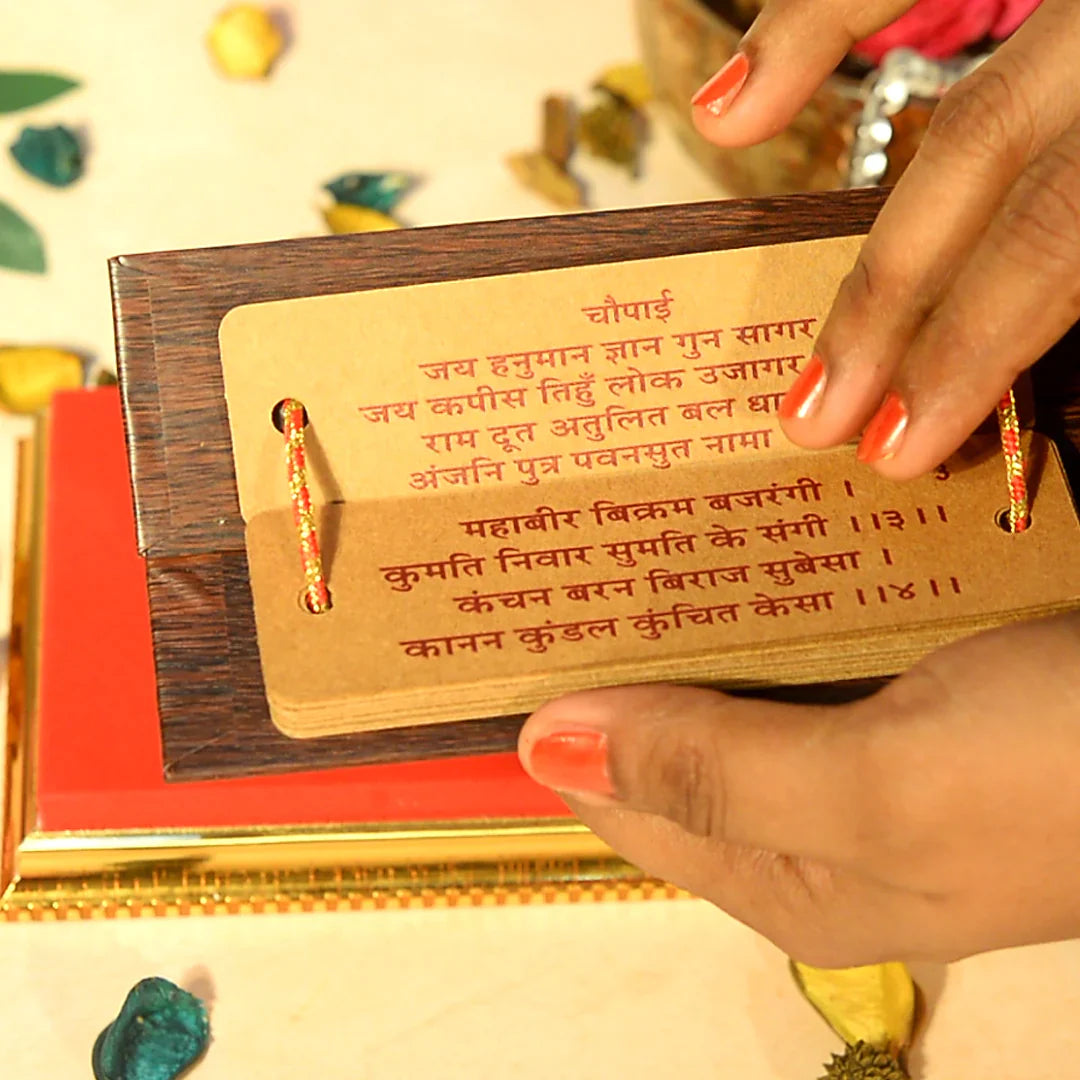
The Hanuman Chalisa, composed by Tulsidas, is often misunderstood as mere prayer. In reality, it functions as a mental regulation tool.
Scientific Effects of Chanting
Repetitive rhythm calms the amygdala (fear center)
Regulated breathing activates the parasympathetic nervous system
Sound vibrations stabilize emotional fluctuations
Improves focus and reduces intrusive thoughts
This explains why many experience reduced anxiety, better sleep, and emotional stability after consistent recitation.
5. Stress Management: Why Hanuman Never Burns Out
Burnout results from:
Overattachment to results
Ego-driven action
Mental resistance
Hanuman worked relentlessly but never burned out because:
He acted in service, not ego
He detached from personal credit
He trusted higher purpose
Lesson for Modern Life
Stress reduces dramatically when action is aligned with meaning rather than validation.
Hanuman teaches effort without obsession—the healthiest work mindset.
6. Overthinking and Mental Noise: Hanuman’s Silence Principle

Modern minds are overwhelmed by:
Constant thoughts
Digital overload
Fear-based imagination
Hanuman spoke only when necessary. His silence was not weakness—it was mental clarity.
Silence as Mental Strength
Silence conserves energy
Reduces emotional leakage
Enhances decision-making
Prevents unnecessary conflict
This principle aligns with mindfulness and meditative psychology practiced worldwide today.
7. Hanuman and Depression: The Power of Purpose
Depression often emerges from loss of purpose, not lack of ability.
Hanuman never questioned his worth because:
His purpose was clear
His service was selfless
His identity was rooted in duty
Psychological Insight
Purpose-driven life increases dopamine balance and motivation, reducing depressive tendencies.
Hanuman teaches us:
“You are not your emotions. You are your purpose.”
8. Hanuman and Confidence: Why True Confidence Is Quiet

Modern confidence is often loud and insecure. Hanuman’s confidence was:
Silent
Grounded
Unshakable
Why?
Because it was built on preparation and self-awareness, not comparison.
Mental Health Benefit
Quiet confidence reduces:
Social anxiety
Comparison stress
Imposter syndrome
Hanuman shows that self-belief grows through discipline, not praise.
9. Hanuman and Trauma: Stability in Chaos
Hanuman witnessed:
War
Destruction
Loss
Violence
Yet he remained mentally stable.
Why?
He accepted reality without resistance
He focused on action, not rumination
He trusted meaning beyond suffering
This is similar to modern trauma resilience therapy, which emphasizes acceptance, grounding, and purpose.
10. Anger Management: Strength Without Rage

Hanuman could destroy worlds, yet used anger only when necessary.
Mental Health Lesson
Anger is not bad—uncontrolled anger is.
Hanuman teaches:
Anger must serve justice, not ego
Emotional energy must be guided
Power without control is destructive
This principle is critical for emotional maturity.
11. Hanuman and Sleep Disorders: Calming the Mind Before Rest
Many devotees report improved sleep through Hanuman worship.
Why?
Reduced fear before sleep
Calm breathing during recitation
Sense of protection lowers subconscious anxiety
Practical Insight
Nighttime anxiety reduces when the mind feels safe and grounded—a psychological state Hanuman symbolizes.
12. Hanuman as the Ideal Role Model for Youth Mental Health
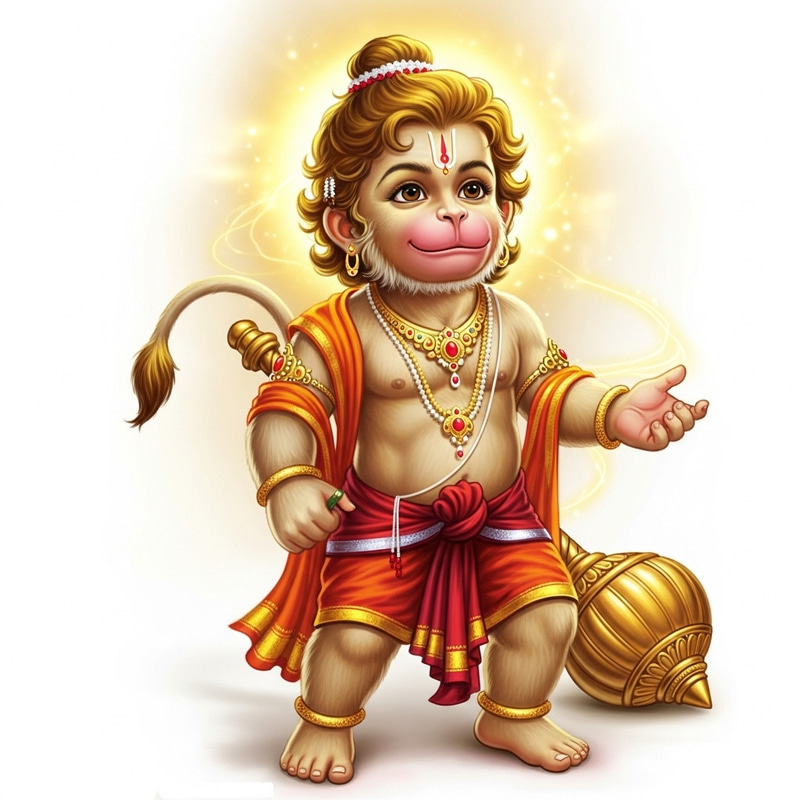
Young people struggle with:
Identity confusion
Peer pressure
Performance anxiety
Hanuman teaches:
Identity through values, not validation
Strength through discipline
Focus through devotion
This makes him a powerful mental health role model for students and young professionals.
13. Hanuman and Self-Control in the Digital Age
Addiction, distraction, and dopamine overload damage mental health.
Hanuman practiced:
Sensory restraint
Purposeful action
Minimal desire
Modern Application
Digital detox
Focus discipline
Emotional boundaries
Hanuman’s life aligns with dopamine regulation psychology, essential today.
14. A Hanuman-Inspired Daily Mental Health Routine
Simple 10-Minute Practice
2 minutes of silence
3 slow breaths with awareness
One focused intention
One selfless act
Detachment from outcome
This routine builds:
Emotional balance
Inner strength
Stress resilience
15. FAQs (AI & Featured Snippet Optimized)
Can Hanuman worship help anxiety?
Yes. It stabilizes emotions, reduces fear, and improves mental resilience.
Why does Hanuman Chalisa calm the mind?
Because rhythm, breath control, and meaning regulate the nervous system.
Is Hanuman worship psychological or spiritual?
It is both—spiritual practice with psychological impact.
Read More – Lord Hanuman: The Ultimate Guide to Strength, Success, Mental Peace, and Life Transformation



Post Comment