








Shoe Cleaner: Complete Guide to Types, Benefits, Usage & Buying Tips
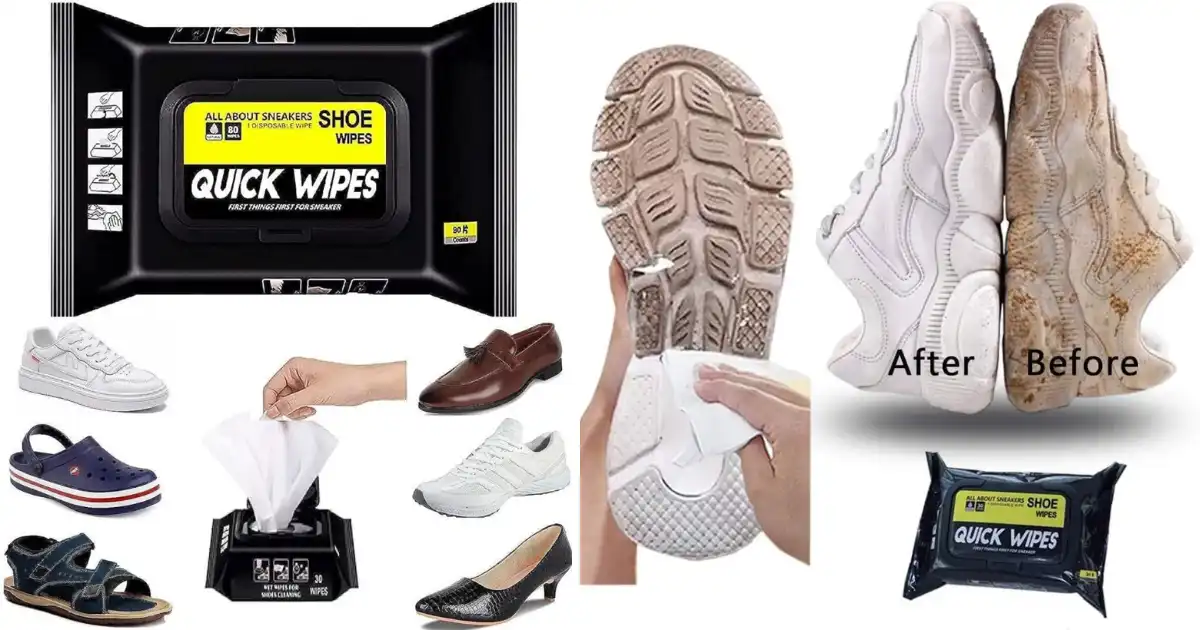
Keeping your footwear clean is essential for comfort, hygiene, and style. Whether you own sports shoes, white sneakers, leather formals, or daily casuals, a good shoe cleaner helps maintain their original look with minimal effort. From instant wipes to sprays, foams, and electric cleaning tools, today’s shoe cleaner options make the process simple and effective.
What Is a Shoe Cleaner?
A shoe cleaner is a product or tool designed to remove dirt, stains, mud, dust, and scuff marks from different types of footwear. It can come in various forms such as liquid cleaner, foam, wipes, machine-based devices, or electric scrubbers. A good shoe cleaner restores shine, improves durability, and keeps your footwear looking fresh.
Types of Shoe Cleaners
1. Shoe Cleaner Wipes
Pre-moistened wipes for quick and easy cleaning. Ideal for:
- Sneakers
- Sports shoes
- Casual shoes
- Travel use
2. Shoe Cleaner Spray
A liquid spray that breaks down dirt and stains. Works on:
- White shoes
- Fabric shoes
- Running shoes
- Synthetic materials
3. Foam Shoe Cleaner
Foamy texture sticks to the surface and lifts off deep dirt. Great for:
- Mesh sneakers
- Canvas
- Training shoes
4. Leather Shoe Cleaner
Specially formulated to clean, condition, and protect:
- Leather formals
- Boots
- Office shoes
5. Suede Shoe Cleaner
Designed for delicate suede and nubuck material. Prevents damage and restores softness.
6. Shoe Cleaner Machine
Automatic or electric device that scrubs shoes using rotating brushes.
Perfect for deep cleaning or polishing.
Benefits of Using a Shoe Cleaner
✔ Keeps Shoes Looking New
A quality shoe cleaner removes dust, stains, and dullness, restoring the original shine.
✔ Protects Shoe Material
Using the right cleaner prevents cracking, fading, or fabric damage.
✔ Improves Footwear Lifespan
Regular cleaning reduces wear and tear.
✔ Quick & Convenient
Modern shoe cleaner options like wipes and electric cleaners make shoe care effortless.
✔ Suitable for All Shoe Types
Works on:
- Leather
- Synthetic
- Canvas
- Suede
- Mesh
- Rubber soles
How to Use a Shoe Cleaner (Step-by-Step)
1. Choose the Right Type
Select a shoe cleaner based on your footwear material.
2. Remove Surface Dust
Use a dry cloth or soft brush first.
3. Apply Shoe Cleaner
Spray, foam, or wipe depending on the type.
4. Scrub Gently
Use a soft brush or built-in electric brush for deeper cleaning.
5. Wipe & Dry
Remove excess product with a microfiber cloth and let shoes air dry.
6. Condition (Optional)
Especially useful for leather shoes.
Who Should Use a Shoe Cleaner?
- Sneaker lovers
- Athletes
- Office professionals
- School/college students
- Frequent travelers
- Anyone who wants fast shoe maintenance
Buying Guide: How to Choose the Best Shoe Cleaner
✔ 1. Check Compatibility
Make sure the shoe cleaner works for your shoe material.
✔ 2. Look at Ingredients
Avoid harsh chemicals that may damage color or texture.
✔ 3. Portability
Wipes and compact bottles are great for travel.
✔ 4. Cleaning Power
Choose based on need—instant wipes, deep-clean foams, or electric devices.
✔ 5. User Convenience
One-step cleaners are best for daily use; electric cleaners offer professional results.
FAQs About Shoe Cleaner
1. What is a shoe cleaner?
A shoe cleaner is a product or tool designed to remove dirt, stains, and grime from all types of footwear.
2. Can I use a shoe cleaner on all materials?
Most shoe cleaners are safe for leather, mesh, canvas, suede, and synthetic materials, but always check the label.
3. Which shoe cleaner is best for white shoes?
Foam or spray-based cleaners work best as they lift stains without damaging the color.
4. Are shoe cleaner wipes effective?
Yes, wipes are great for quick cleaning and on-the-go use.
5. Can shoe cleaner remove mud stains?
Yes, a good shoe cleaner can remove mud, dust, and minor stains easily.
6. Is shoe cleaner safe for suede shoes?
Use a suede-specific cleaner or a soft-bristle brush to avoid damage.
7. Can I use shoe cleaner on leather?
Yes, but choose a leather-safe formula that cleans and conditions.
8. Do I need a brush with shoe cleaner?
For deeper cleaning, using a brush helps remove embedded dirt.
9. What is an electric shoe cleaner?
An electric shoe cleaner is a device with rotating brushes that cleans shoes quickly with minimal effort.
10. Are electric shoe cleaners safe?
Yes, when used with the right brush attachment for your shoe material.
11. How often should I clean my shoes?
Clean your shoes once or twice a week depending on usage.
12. Can shoe cleaner damage my shoes?
Only if used incorrectly. Always choose the right cleaner for your shoe material.
13. Do I need to rinse after using shoe cleaner?
Most modern cleaners are no-rinse; simply wipe and air dry.
14. Can I use shoe cleaner on sports shoes?
Yes, shoe cleaner works well on running shoes, gym shoes, and sneakers.
15. Does shoe cleaner remove odor?
Some cleaners help reduce odor, but for strong smells, use a deodorizing spray.
16. Can shoe cleaner restore shine?
Yes, especially leather cleaners and polishing brushes.
17. Is shoe cleaner safe for kids’ shoes?
Yes, gentle and non-toxic formulas are safe for children’s footwear.
18. How long does a shoe cleaner last?
This depends on usage—wipes last per piece, while sprays and foams may last 1–3 months.
19. Can I carry shoe cleaner while traveling?
Yes, wipes and compact bottles are travel-friendly.
20. Do I need different shoe cleaners for different shoes?
Not always. Many all-purpose cleaners work on multiple materials, but suede and leather may need specialized products.